The Evolution of Networking: How Digital Business Cards and AI are Changing Connections
Paper business cards are fading, and something smarter is taking their place. Digital business cards powered by AI are changing how we connect, follow up, and build real business relationships. This isn’t a future trend — it’s already happening around us.
DIGITAL BUSINESS IDENTITY
The Shift from Traditional to Digital
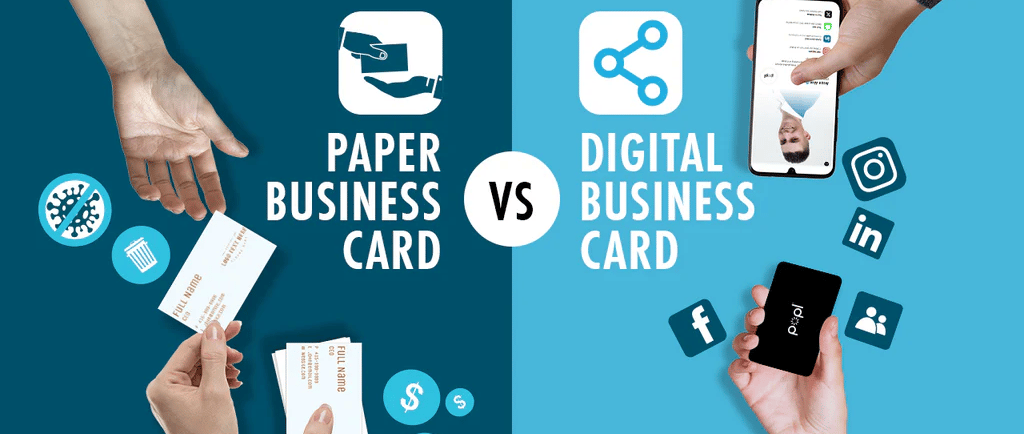
Networking, once a straightforward task of exchanging paper business cards, has undergone a revolutionary transformation. Not long ago, individuals would present these cards, often hoping their counterparts remembered the encounter long enough to keep that piece of paper. Unfortunately, many of these cards ended up forgotten in wallets, collecting dust in drawers, or worse, disposed of in the trash. Today, however, the way we connect has evolved beautifully, thanks to advancements in technology.
Embracing Technology: QR Codes and Instant Connectivity
Fast-forward to the present, and the act of networking includes seamless integration of technology. QR codes have become a common sight, eliminating the need for cumbersome exchanges of physical cards. Professionals can scan, save contacts instantaneously, and even follow each other on LinkedIn before meetings conclude. This shift not only streamlines communication but also facilitates more meaningful interactions, as connections can be nurtured instantly.
Digital Business Cards: AI-Powered Identities
The most significant shift, however, is found in the transformation of the business card itself. Today’s business cards are evolving into digital identities, often enhanced by artificial intelligence (AI). This change marks a departure from the traditional paper card; they now serve as interactive profiles that can include links to social media, websites, and more. Consequently, digital business cards help individuals create an impactful first impression.
Ultimately, this is not merely a trend but a profound shift that is currently reshaping how we understand professional introductions. With AI technology at their core, these digital identities not only encapsulate contact information but can also adapt based on users’ preferences and the interacting context. For instance, one can easily update their portfolio or testimonials, creating a living representation of their professional journey.
As more people and businesses adopt these innovative networking solutions, the importance of an up-to-date digital presence will become paramount. This change signifies the end of messy wallets filled with outdated cards and the beginning of a more organized, efficient, and engaging way to network.
As we witness the quiet shift from paper business cards to dynamic digital identities, powered by AI, we are encouraged to rethink our networking strategies. The future of networking is not arriving; it is here, and it is digital. Embrace this change and ensure your networking approach aligns with the evolving landscape of professional connections.